TL;DR
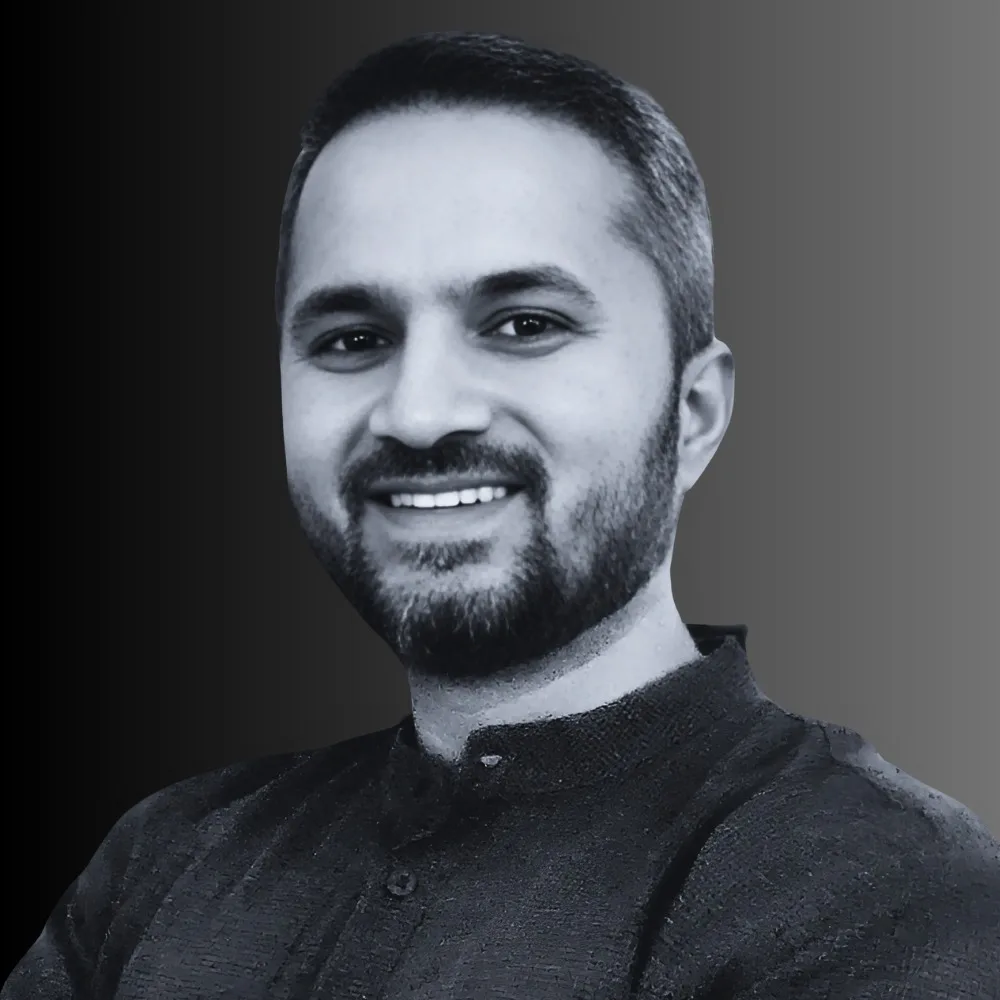
- Noam Shazeer, co-author of the foundational 2017 Transformer paper, is reportedly leaving Google DeepMind to join OpenAI as architecture research lead.
- The move strengthens OpenAI’s research bench while intensifying talent competition among frontier labs including Anthropic and Google DeepMind.
- Shazeer’s work underpins most major large language models — his shift could influence the next generation of frontier model design.
- The hire signals OpenAI‘s continued push to dominate architectural innovation in the race toward AGI.
Shazeer Jumps Ship From Google to OpenAI
Noam Shazeer, co-author of the foundational 2017 paper “Attention Is All You Need,” reportedly announced he’s leaving Google DeepMind to join OpenAI. The move puts one of the most influential researchers in generative AI at the helm of architecture research for OpenAI — a role that could shape the design of the lab’s next-generation models.
Shazeer’s departure marks a significant talent shift between two of the most powerful AI labs on the planet. According to BuildFastWithAI, the move is already sparking intense discussion across the research community about what it means for both organizations’ strategic direction.
The timing matters. OpenAI is racing to maintain its lead in frontier models while Google DeepMind pushes Gemini and competes on multiple fronts. Losing a researcher of Shazeer’s caliber — someone who literally co-invented the architecture most models run on — isn’t just a personnel change. It’s a strategic blow.
Why the Transformer Co-Author’s Move Reshapes the Board
Shazeer isn’t just another senior researcher. He’s one of the architects of the Transformer, the neural network design that powers GPT-4, Claude, Gemini, and virtually every other major language model in production today. That 2017 paper didn’t just advance the field — it defined it.
And now he’s joining OpenAI to lead architecture research. That’s not a lateral move. That’s OpenAI betting that the person who helped invent the game can help them rewrite the rules.
I can’t help but see this as OpenAI doubling down on architectural innovation at a moment when scaling laws are hitting harder limits. If you’re going to break through the plateau everyone’s whispering about, you don’t hire a manager — you hire the person who built the foundation in the first place.
Think of it like this: it’s as if the engineer who designed the internal combustion engine just joined Tesla to rethink the drivetrain. Sure, electric cars already work — but if you want to build something fundamentally better, you bring in someone who understands the physics from first principles.
The implications ripple outward. Shazeer’s arrival suggests OpenAI sees architectural breakthroughs — not just parameter count or compute scaling — as the next frontier. That’s a bet on innovation over brute force. It’s also a signal that OpenAI believes the Transformer itself might have a successor, and they want the person who invented it to help build what comes next.
But there’s a flip side. Google DeepMind just lost one of its most valuable minds. The lab still has world-class talent — researchers like Demis Hassabis, Shane Legg, and the rest of the Gemini team aren’t exactly lightweights. But talent moves like this don’t happen in a vacuum. They often signal internal friction, strategic misalignment, or simply better opportunities elsewhere.
What was Shazeer working on at DeepMind that he couldn’t finish? What did OpenAI offer that Google couldn’t match? The answers to those questions matter almost as much as the move itself.
The Talent War Among Frontier Labs Heats Up
This isn’t just about OpenAI and Google. The entire frontier lab ecosystem — OpenAI, Google DeepMind, Anthropic, xAI, and others — is locked in a brutal competition for top-tier research talent. Senior hires at this level reshape the competitive landscape because they bring not just expertise but entire research agendas with them.
Anthropic has already poached key figures from OpenAI. OpenAI has hired from Google and Meta. Google has recruited from academia and startups. The musical chairs at the top of AI research is relentless, and every move sends a signal about where the momentum is shifting.
Shazeer’s jump strengthens OpenAI’s position in this arms race. The lab already has deep architectural expertise — researchers like Alec Radford, Ilya Sutskever (before his departure), and others have pushed the boundaries of what’s possible with Transformers and beyond. Adding Shazeer to that roster doesn’t just add depth. It adds a specific kind of credibility and vision that’s hard to quantify but impossible to ignore.
For Google DeepMind, the loss stings. The lab is still a powerhouse — Gemini competes directly with GPT-4, and DeepMind’s research output remains world-class. But losing a co-author of the Transformer paper to your most visible competitor is the kind of headline that raises uncomfortable questions internally. Are we losing our edge? Are we offering researchers the freedom and resources they need? What does this say about our culture?
The talent war isn’t just about salaries or titles. It’s about where researchers believe the most important work will happen next. And right now, Shazeer apparently believes that place is OpenAI.
What Shazeer’s Hire Signals About OpenAI’s Research Direction
OpenAI doesn’t hire someone like Shazeer to maintain the status quo. You bring in a foundational researcher to lead architecture work when you’re planning something ambitious — something that requires rethinking the fundamentals.
The most obvious bet: OpenAI is exploring post-Transformer architectures or hybrid models that blend Transformers with newer techniques. Transformers are powerful, but they’re not perfect. They struggle with long-context reasoning, they’re computationally expensive, and they don’t generalize the way biological intelligence does. If you want to build AGI — and OpenAI has made that goal explicit — you probably need something better.
Shazeer’s expertise positions him perfectly to lead that search. He knows the Transformer’s strengths and weaknesses better than almost anyone. He’s also spent years at Google working on cutting-edge model architectures, which means he’s seen what works and what doesn’t at scale.
Another angle: OpenAI might be betting on efficiency. As models grow larger and more expensive to train, architectural innovations that reduce compute requirements without sacrificing performance become critical. Shazeer’s work could focus on building models that do more with less — a key advantage if OpenAI wants to maintain its lead while managing costs.
There’s also the competitive dimension. Anthropic has been vocal about its focus on interpretability and safety through architectural design. Google DeepMind is exploring multimodal models and reinforcement learning at scale. OpenAI needs to stay ahead on multiple fronts, and hiring Shazeer is a way to ensure they’re not just iterating on existing designs but inventing the next generation.
Three Things to Watch as Shazeer Joins OpenAI
First, watch for architectural announcements from OpenAI over the next 12 to 18 months. If Shazeer is leading architecture research, his influence will show up in the design of whatever comes after GPT-4. That could mean a new model family, a novel training approach, or a hybrid architecture that blends Transformers with other techniques. The specifics matter less than the direction — if OpenAI starts talking about architectural breakthroughs, Shazeer’s fingerprints will be all over them.
Second, monitor how Google DeepMind responds. Does the lab promote from within to fill the gap? Do they make a high-profile external hire? Or do they reorganize their research priorities to double down on areas where they still have dominant talent? Google’s reaction will tell us whether they see this as a minor setback or a strategic threat.
Third, pay attention to Anthropic and other frontier labs. If OpenAI is making a big architectural bet, competitors will respond. Anthropic’s focus on interpretability and safety could shift if they perceive OpenAI pulling ahead on raw capability. xAI and others will watch closely too — talent moves at this level often trigger cascading shifts across the ecosystem.
FAQ
Who is Noam Shazeer and why does his move matter?
Noam Shazeer is a co-author of the 2017 paper “Attention Is All You Need,” which introduced the Transformer architecture that underpins nearly all major large language models today. His move from Google DeepMind to OpenAI matters because he’s one of the most influential researchers in generative AI, and his work at OpenAI could shape the next generation of frontier models.
What role will Shazeer have at OpenAI?
Shazeer is reportedly joining OpenAI as architecture research lead, a senior role that puts him in charge of designing and advancing the fundamental neural network architectures that power OpenAI’s models. This position gives him significant influence over the technical direction of the lab’s future systems.
How does this affect the competition between OpenAI and Google DeepMind?
The move strengthens OpenAI’s research bench while representing a talent loss for Google DeepMind. It intensifies the competition among frontier labs — including OpenAI, Google DeepMind, and Anthropic — for top-tier researchers. Senior hires like this often signal shifts in strategic priorities and can influence the trajectory of model development across the industry.
What does this hire signal about OpenAI’s research strategy?
Hiring Shazeer suggests OpenAI is prioritizing architectural innovation — potentially exploring post-Transformer designs or hybrid models that improve efficiency and capability. It signals a bet that breakthroughs in model architecture, not just scaling compute, will drive the next leap in AI performance. OpenAI likely sees Shazeer as key to building whatever comes after the current generation of Transformer-based models.
Source: BuildFastWithAI